Ecuadorian football's identity has shifted from altitude-reliant disruptor to a more assertive, yout
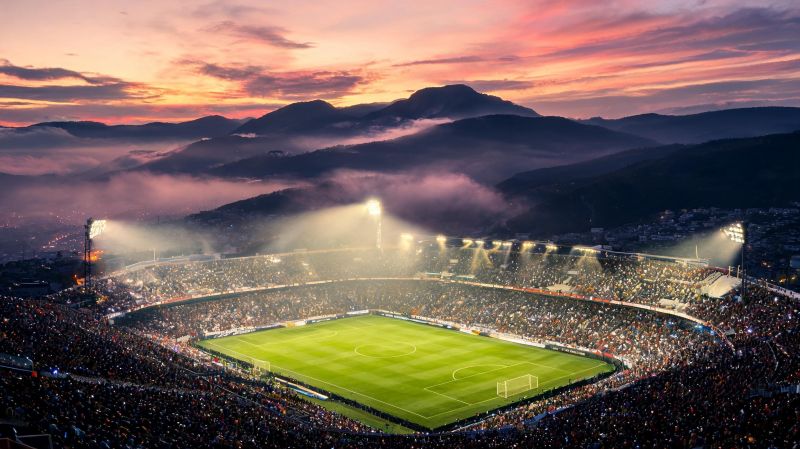
Ecuadorian football doesn't wait for permission. It arrives in bursts—a sudden burst of pace down the wing, a rash tackle in midfield, a stadium in Quito that turns thin air into a tactical weapon. La Tri, as the national team is known, has long been the tournament's disruptive force: never quite a favorite, never quite an underdog, always a problem for someone. That identity sharpened in 2022, when Ecuador opened the World Cup by beating host Qatar with a performance of controlled aggression, then held the Netherlands to a draw. They didn't escape the group, but they left a fingerprint. That's Ecuadorian football in a nutshell—capable of anything for ninety minutes。rarely consistent enough to make it stick over a month.Altitude is the easy explanation, and it's not wrong. Estadio Rodrigo Paz Delgado sits at 2,850 meters;visiting teams often arrive with oxygen tanks and leave with headaches. But the reliance on altitude has also been a crutch. Ecuadorian football has spent decades trying to prove it can win away from the Andes。and the results are uneven. The 2026 World Cup qualifying campaign has been a test of that—mixed performances at sea level, occasional lapses in concentration, but also a young core that looks increasingly comfortable on the road. The real shift isn't physical. It's psychological. This generation doesn't seem intimidated by the idea of playing in Brazil or Argentina. They press high. They commit fouls. They argue with referees. It's not always pretty, but it's honest.LigaPro, the domestic top flight, remains the engine and the bottleneck. Clubs like LDU Quito, Barcelona SC, and Independiente del Valle have built respectable continental reputations—Independiente's 2022 Copa Sudamericana title and their consistent Copa Libertadores runs are proof that smart scouting and youth development can work in a market that loses its best players by age twenty. Moisés Caicedo left Independiente for Brighton at nineteen;Piero Hincapié was sold to Bayer Leverkusen at the same age. That's the model now: develop, showcase, sell, reinvest a fraction. It's pragmatic, and it's precarious. When the sales dry up, the league wobbles. When the academies produce a golden class。
the national team benefits for a cycle. Ecuadorian football has learned to ride those waves rather than fight them.Watch a youth match in Guayaquil or a LigaPro fixture in Ambato on a Sunday afternoon and you'll see the raw material: quick, compact players who treat the ball as a problem to be solved rather than a possession to be admired. There's a physicality to the football here that gets labeled as 'South American' in scouting reports—a polite way of saying they kick you. But the technical floor has risen. The 2023 U-17 World Cup squad showed a willingness to build from the back that would have been unthinkable fifteen years ago. Coaches are no longer afraid of being fired for trying to play. That's a quiet revolution, and it matters more than any single qualification.
What comes next is uncertain, and that's fine. Ecuadorian football has never been a finished product. The federation's financial management remains a recurring source of frustration, the league calendar is chaotic。and the media cycle around La Tri swings between euphoria and panic with little in between. But the talent pipeline is real, the tactical identity is clearer than it's been in a generation, and the fans—whether filling the Monumental in Guayaquil or crowding around a television in a hardware store in Cuenca—have learned to expect more than moral victories. That expectation is heavy. It's also the most promising thing about Ecuadorian football right now. The days of just being happy to be there are over.